Skip to content

Buying your first helmet

A helmet is the one purchase where the listing tells you least and the label tells you everything.

The two things that decide it, and neither is in a listing

The approval marking. It is on a label sewn to the retention strap — the standard, the approval number, the country. Read it before the helmet is worn rather than after.

The fit. Snug enough that the cheek pads press and the helmet moves your scalp rather than sliding on it. No hot spot you can still feel after twenty minutes. Shell shapes differ between makers more than size charts admit, and no chart resolves it.

What the families actually trade

A full-face covers the chin. A flip-up lifts the chin bar — useful at a fuel stop, and it adds a mechanism, a compromised seal and weight. An open-face is cooler, quieter to put on and covers less of your face. An adventure helmet adds a peak, which catches wind at speed and shades you off-road.

None of these is better than the others. They are four different arrangements of the same compromises.

What the shelf will try to sell you instead

Sets. A helmet bundled with goggles, a mask or gloves is genuinely convenient, and it makes the helmet itself impossible to compare against another helmet at one price.

The advice nobody sells

Buy the one that fits. A well-approved helmet that rotates on your head is worse than a plain one that does not.
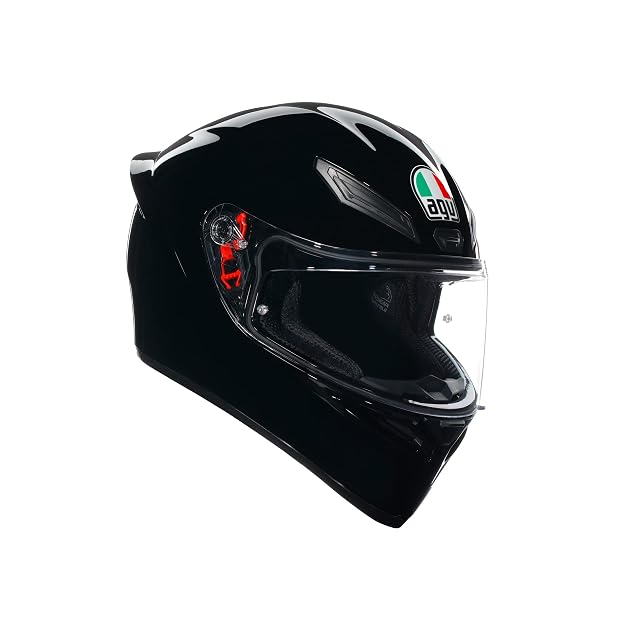
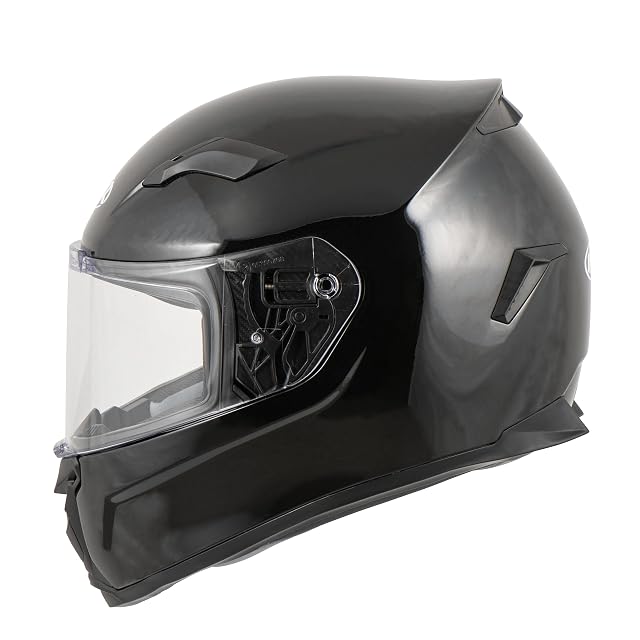
The picks, and why they run in that order

  1. AGV K1 S E2206

    ECE 22.06 · thermoplastic shell · 190° field of view

    A road full-face derived from the maker’s racing programme, with a thermoplastic shell, wind-tunnel-developed spoiler, a published 190° field of view and a removable washable liner.

    Best for: A rider who wants a road helmet from a maker whose visors and pads are easy to find in three years.

    ≈ £127 / €136

  2. MTR S-6 Evo

    ECE 22.06 · thermoplastic · ratchet strap closure

    A thermoplastic full-face with chin and head ventilation and a ratchet strap closure, sold as ECE 22.06 certified and described by the maker as suited to long distances.

    Best for: A rider who wants a current approval and a glove-friendly closure without paying for a sun visor.

    ≈ €61

The questions that come up first

How do I know a helmet is approved?

By the label sewn to the retention strap. It names the standard, the approval number and the country that granted it. A product title is not a marking, and this is the one purchase where the difference matters most.

How snug should a new helmet feel on the head?

Snug enough that the cheek pads press slightly and the helmet moves your scalp rather than sliding on it, with no pressure point you can still feel after twenty minutes. Shell shape varies between makers by more than a size label suggests.

Full-face, flip-up or open-face?

A full-face covers the chin, which is where a large share of impacts land. A flip-up adds a mechanism and a seal that is a compromise. An open-face is cooler and covers less. They are different trades, not a quality ladder.

Why each one, and for whom

AGV K1 S E2206 · £127

For : A rider who wants a road helmet from a maker whose visors and pads are easy to find in three years.

Main strength : Publishes a field of view figure, which very few helmets on this shelf do

Main limitation : No published weight, on a helmet where the shell material would make it informative

Read the full review →

MTR S-6 Evo · £61

For : A rider who wants a current approval and a glove-friendly closure without paying for a sun visor.

Main strength : The ratchet closure is published, and it is the fastening that can be worked with gloves on

Main limitation : No sun visor and no insert preparation published

Read the full review →

Deciding in one line

  • If your priority is the price → look at MTR S-6 Evo

How this guide is built

The models here come from the catalogue of this site. Specifications are those published by the manufacturer and on the Amazon product page; prices are what Keepa reported on the date below, and both move. The ranking uses declared specifications, the balance of stated strengths and limitations, and price. No product on this site has been physically tested, and nothing here claims otherwise.

Last checked on

Nothing written into the text below is a current price. Where an amount appears in a sentence, it is the reading taken on the day that sentence was written; what a shop is asking at this moment loads beside the product itself, and that is the figure to go by.

The tool we use ourselves

Kit chosen? Now make sure the price is real.

Helmets and riding gear are discounted over and over through the year — hardest of all in the weeks when nobody is riding, which is months away from when most of it is bought — and a struck-through figure on its own says nothing whatever about what the same model was charged at four weeks ago. UniverTrack holds a week-by-week history for every retailer, which means a reduction is judged against a price somebody actually paid rather than one dreamed up for the sale — and it tells you when the moment to buy has genuinely come.

Real price historyBuy-now alertsAI buying assistant
Try free for 14 days →
No commitment · Cancel in one click · 5 languages